“AI” is being used as shorthand for a lot of different things. A chatbot. A writing tool. A platform feature that promises better targeting.
In Irish marketing teams, the more meaningful change is simpler: how people find information is shifting, and the rules for earning attention are shifting with it.
That’s happening in a market where digital is already where the spend sits. The latest published Adspend Study puts Ireland’s total digital adspend at €1.06bn in 2024, up 11% year on year, and crossing €1bn for the first time.
So what does AI actually mean for digital marketing in Ireland, in real terms?
1. Search Is Becoming an “Answer Layer”
For years, the goal was obvious: rank well, win the click, earn the visit.
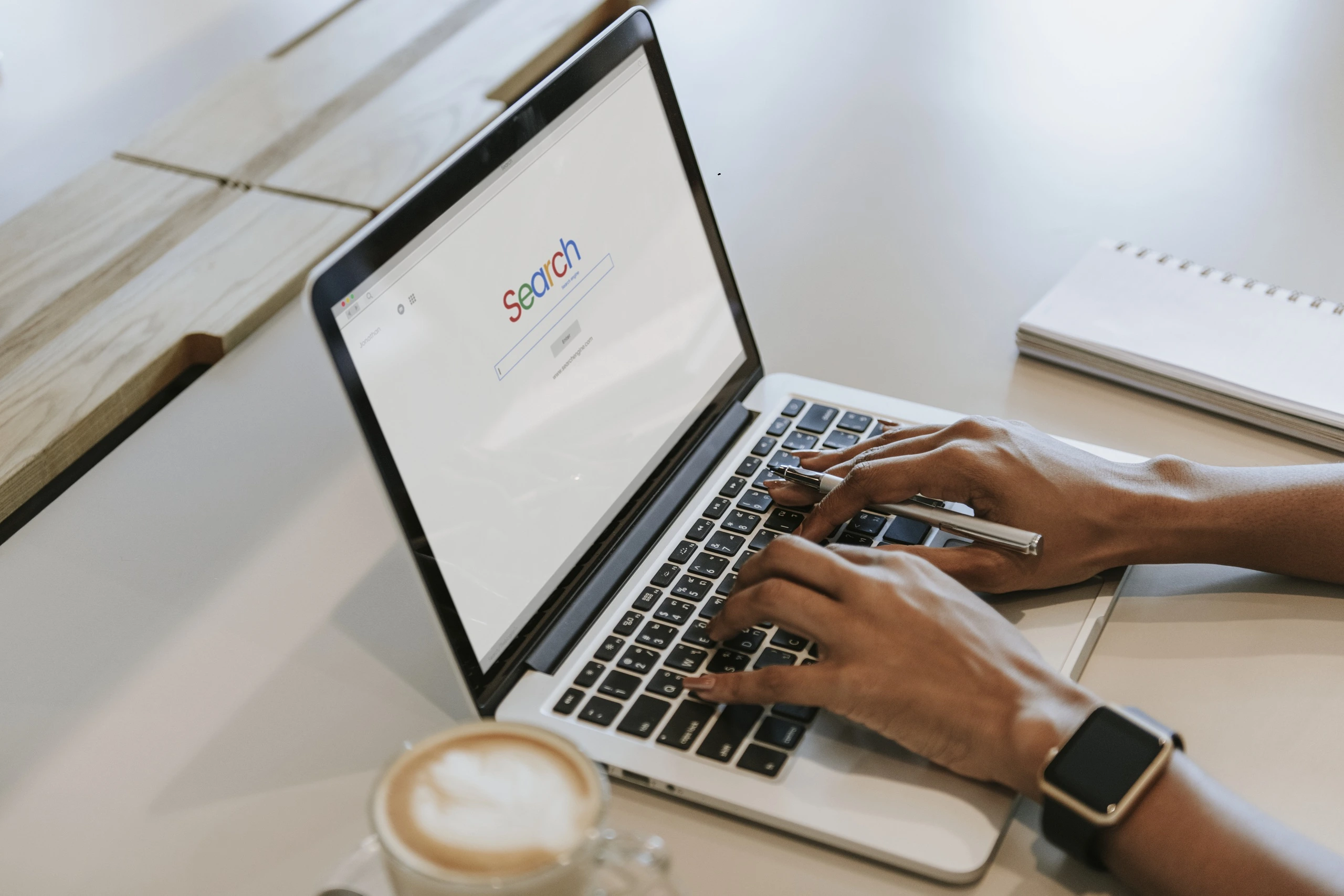
Now, the results page itself is changing shape. Google’s expansion of AI Overviews means more searches can surface a summary before the usual list of links.
The knock on effect is straightforward. Some clicks that used to come easily are now harder to win, because users can get enough of an answer without leaving the results.
SEO still matters. What’s changing is where the value shows up. You’re aiming to be one of the sources the system pulls into the answer, not just a page sitting underneath it.
In practice, the content that tends to hold up best usually does three things:
- It answers the question quickly, then backs it up with depth.
- It’s structured clearly, with headings that actually say something.
- It carries credibility through real examples, named authors, and current detail.
This is exactly where AI search optimisation starts to complement traditional SEO. The aim is not just rankings, but being the brand that gets cited in AI generated answers.
2. Content Is Easier to Publish, Harder to Believe
AI makes it quicker to draft. Everyone knows that now. The less comfortable truth is that it also makes it quicker to publish content that feels the same as everything else. Same headings. Same safe advice. Same bland conclusions.
Irish audiences are not short on information. They are short on patience.
The pieces that still cut through usually feel credible. Local detail helps. A point of view helps. Proof helps. Mentioning the downsides as well as the upsides can make the writing feel grounded, not salesy.
AI can help with the legwork. The final job is still human: deciding what matters, what’s true, and what’s worth saying.
3. Paid Media Automation Is Accelerating, So Signals Matter More
Google Ads and Meta have been pushing automation for years. AI makes that push faster.
The practical impact for marketers is simple: you have to improve what you feed the system. Conversion tracking you trust. Sensible audience signals. Landing pages that match intent.
This can work brilliantly, but only when the foundations are right. When tracking is unreliable, conversions don’t fire properly, or lead quality is weak, automation can push spend towards the wrong outcome. You often only spot it after budget has already moved.

4. Measurement Is Shifting Again, And AI Won’t Fix Weak Tracking
AI can summarise performance reports and flag anomalies, which is useful, but it won’t fix the fundamentals: missing conversions, inconsistent UTMs, broken attribution, or CRM data that doesn’t match what analytics is reporting.
If you want AI to support better decisions, the basics still decide the ceiling. A tracking plan everyone follows, naming conventions that don’t change weekly, and a feedback loop on lead quality so “more leads” isn’t confused with “better leads”.
If two people pull the same report and get different answers, the issue is not AI. It’s the system underneath.
5. The Real Skill Shift Is Judgement, Not Prompts
Yes, prompts matter. But the bigger advantage is knowing what quality looks like, and catching weak output before it goes live.
There’s also a wider adoption gap forming. A recent Google-commissioned study carried out with Amárach Research found 20% of Irish SMEs aren’t using AI for any business task yet, and that jumps to 33% among micro businesses (versus 7% in larger SMEs).
That gap creates an opportunity for teams who build sensible workflows early, without getting carried away.
A short checklist to start with:
- Improve your highest converting pages first.
- Make content more specific, more local, and easier to verify.
- Tighten tracking before you scale campaigns.
- Pick one or two AI supported workflows, measure impact, then expand.
Want To Know If Your Site Is Likely to Get Cited?
As AI summaries reshape search, the question is simple: are your key pages likely to be referenced, or ignored?
At SWOT Digital, we’ve been helping Irish businesses strengthen the pages that matter most, so they stand a better chance of being referenced as search becomes more answer led.
To get a clear view of what to fix first, get in touch and we’ll point you in the right direction, in plain English, with straight answers and a practical plan.